
Is It Safe to Buy Clothes Online in 2026?
Table of Contents
- The Real Risks of Buying Clothes Online
- How to Spot Fake Online Clothing Stores
- Verify Website Legitimacy Before You Shop
- Best Online Stores for Trendy Dresses and Apparel
- Secure Payment Methods That Protect Your Data
- Online Clothing Store Return Policy Red Flags
- Conclusion: Shop Confidently Online
- Frequently Asked Questions
Last Updated: August 31, 2026
The Real Risks of Buying Clothes Online
Is it safe to buy clothes online? Yes, but only if you know what risks you're up against. Online fashion sales in the U.S. reached $238 billion in 2024, with 43% of American consumers purchasing clothing online regularly (UniformMarket retail data). Yet this convenience comes with real danger: over 387,000 fraud reports involving online shopping were filed in 2024, resulting in $434.4 million in losses (Federal Trade Commission fraud statistics).
The biggest threats fall into three categories: identity theft through data breaches, counterfeit products masquerading as authentic fashion, and refund abuse. Neiman Marcus notified 4.6 million customers in 2021 that personal data including credit card numbers were accessed. Approximately 40% of global e-commerce fraud attacks originate in the United States, making online shoppers here particularly vulnerable (Cybersource fraud report via DemandSage). Counterfeit apparel floods online marketplaces, often made with substandard materials and poor construction. Refund and policy abuse has become the number one ranked fraud threat in e-commerce, displacing payment fraud for the first time.
Understanding these risks equips you with knowledge to shop safely and confidently. The strategies in this guide address each threat directly.
How to Spot Fake Online Clothing Stores
Distinguishing legitimate boutiques from fraudulent ones requires attention to specific red flags that scammers consistently overlook. Most fake stores share common characteristics: rushed design, vague product descriptions, and pricing that seems too good to be true.
Start with the basics. Legitimate retailers display clear contact information: a physical business address, a working phone number, and an email matching their domain name. Check for an "About Us" page with a genuine brand story. Product photography tells a story: real boutiques invest in professional images from multiple angles and in detail shots. Fake stores steal photos or use low-quality images with watermarks. Read product descriptions carefully, legitimate retailers provide fiber content, care instructions, sizing details, and fit notes. Scam sites use vague language like "beautiful dress" without specifics.

Look for these specific red flags:
- Spelling and grammar errors throughout the site. Professional retailers proofread.
- No customer reviews or only five-star reviews. Real sites have mixed ratings.
- Pressure tactics like "Only 2 items left!" or "Sale ends in 1 hour!" These bypass critical thinking.
- Payment methods limited to wire transfer, cryptocurrency, or gift cards. Legitimate retailers accept credit cards and digital wallets.
- Prices 70% below retail. If a $120 dress costs $35, the answer is usually counterfeit.
- No return policy or extremely restrictive returns. Real boutiques accept returns.
According to YouGov research, around seven in ten U.S. adults verify unfamiliar online retailers by checking customer reviews (69%) and confirming secure payment options (65%) (YouGov consumer verification study). This instinct is sound.
Verify Website Legitimacy Before You Shop
Before entering payment information, verify that the website is who it claims to be. Start by checking the URL. Legitimate sites use HTTPS (not HTTP), which encrypts your data. You'll see a padlock icon in your browser's address bar. Click it to verify the business name and security certificate from a recognized authority. If the padlock is missing or the certificate is for a different company, leave immediately.
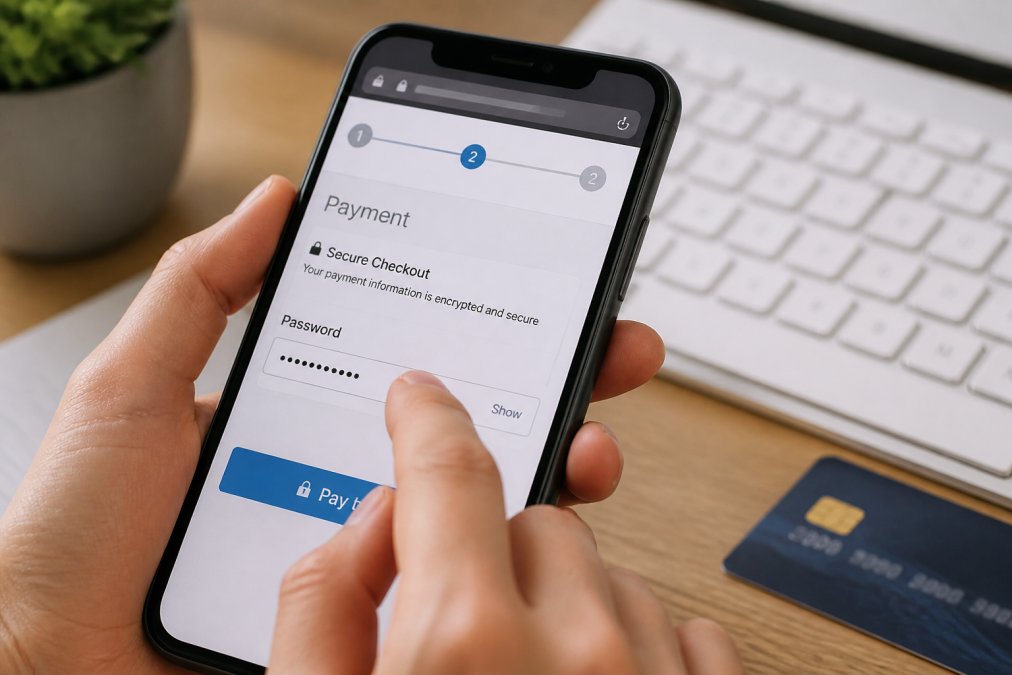
Search for the retailer's name plus "scam" or "reviews" in Google. Check Trustpilot, Better Business Bureau, and Google Reviews. A new store with zero reviews isn't necessarily fraudulent, but dozens of one-star reviews describing non-delivery or stolen data is a clear warning sign.
Verify domain ownership using free WHOIS lookup tools to see who registered the domain and when. Scam sites are often registered anonymously or under fake names. Legitimate retailers register under their actual business information. For clothing boutiques, legitimate sites typically have domains matching their business name, not generic ones like "bestdresses123.com."
Enable two-factor authentication if offered. Check the privacy policy and data security statement, legitimate retailers explain how they protect your information and comply with data privacy laws. Finally, trust your gut. If something feels off, move on. Thousands of legitimate online clothing stores exist.
Best Online Stores for Trendy Dresses and Apparel
Finding trustworthy retailers requires knowing what separates established boutiques from fly-by-night operations. The best online stores combine legitimate security practices, transparent policies, authentic customer reviews, and genuine fashion curation.
Maison Amara Boutique stands out as a premier destination for women seeking modern, trendy fashion with confidence. The boutique specializes in stylish dresses and curated accessories designed for everyday elegance. Maison Amara Boutique provides free shipping on all orders of $50 and more, making sophisticated fashion accessible and affordable. The transparent return policy and focus on customer satisfaction make it ideal for shoppers prioritizing both style and security.
Beyond Maison Amara Boutique, several established retailers have built strong reputations:
- Target offers a wide selection of dresses with transparent pricing, straightforward returns, and strong customer service.
- Nordstrom curates upscale fashion with detailed product descriptions, free returns, and a loyalty program.
- ASOS specializes in trendy, contemporary fashion with extensive customer reviews and a clear return process.
- Macy's combines established retail credibility with online convenience, offering dresses across multiple price points and detailed sizing guides.
What these stores share: transparent return policies (typically 30+ days), detailed product descriptions with fiber content and care instructions, multiple payment options, customer review sections with verified purchases, and clear contact information. They invest in security, maintain professional websites, and stand behind their products.
Secure Payment Methods That Protect Your Data
Your choice of payment method directly determines how much of your financial information remains exposed during a transaction. Not all payment options offer equal protection.
Virtual credit cards are the gold standard for online payments. They generate a unique card number for each purchase, often with spending limits and expiration dates. If a store's database is compromised, criminals get a single-use number that's already expired, not your real card. Services like Capital One Shopping and Citi Virtual Account Numbers offer this protection.
Digital wallets (Apple Pay, Google Pay, PayPal) provide significant risk reduction through tokenization. Instead of sharing your credit card number directly with the retailer, the wallet shares a token, a secure representation of your payment information that the retailer cannot use to charge you again. Digital wallets also add an authentication step (Face ID, fingerprint, or password), making unauthorized purchases harder.
Credit cards offer stronger fraud protection than debit cards. Federal law limits your liability for unauthorized credit card charges to $50, and most issuers waive this entirely. Debit cards don't carry the same protection.
Avoid these payment methods:
- Wire transfers are irreversible and untraceable
- Cryptocurrency cannot be reversed if you're scammed
- Gift cards limit your recourse if the retailer disappears
- Bank transfers offer minimal fraud protection
When checking out, verify the payment gateway is secure. Look for recognizable payment processors like Stripe, Square, or PayPal. Enable purchase alerts with your bank or credit card issuer to catch fraudulent charges quickly.
Online Clothing Store Return Policy Red Flags
A return policy reveals how much a retailer respects its customers and stands behind its products. Generous policies indicate confidence in quality; restrictive ones suggest the opposite.
Major red flags include:
- No return policy or "final sale" for all items. This suggests questionable quality or plans to disappear quickly.
- Return window under 14 days. Industry standard is 30 days.
- Restocking fees of 15% or higher. Legitimate retailers rarely charge these for unworn items.
- Return shipping costs charged to customers. Most reputable boutiques cover return shipping.
- Requirement to return items in exact original condition. Overly strict requirements are designed to reject returns.
- No tracking or confirmation for returned items. You have no proof you sent it.
- Refunds issued as store credit only. This prevents getting your money back.
- Vague language like "returns accepted at our discretion." This gives unlimited power to reject returns.
Legitimate policies read: "We accept returns of unworn, unwashed items with original tags within 30 days of purchase. Return shipping is free. Refunds are issued to the original payment method within 5-7 business days of receipt."
Before buying from an unfamiliar boutique, test their customer service by emailing a sizing question. If customer service is poor before you buy, it will be worse if you need to return something.
Maison Amara Boutique maintains a transparent return policy that prioritizes customer satisfaction, ensuring you can shop with confidence knowing your purchase is protected.
Conclusion: Shop Confidently Online
Buying clothes online is safe when you follow these core practices: verify website legitimacy before entering payment information, use secure payment methods like virtual credit cards or digital wallets, read customer reviews on independent platforms, check return policies before purchasing, and trust your instincts when something feels wrong.
The online fashion market continues to grow because millions of shoppers successfully navigate it every day. You can too. Start with established retailers like Maison Amara Boutique, which combines modern, trendy fashion with transparent policies, secure payment processing, and genuine customer focus. Shop confidently knowing you've done your due diligence.
Shopping online requires awareness, not paranoia. When you understand common scammer tactics and know how to verify legitimacy, you become a savvy consumer. Maison Amara Boutique makes this easier by offering stylish dresses and curated accessories with free shipping on orders over $50, transparent return policies, and a commitment to customer security. Get started with Maison Amara Boutique and experience the confidence that comes with shopping for trendy, high-quality fashion from a retailer that prioritizes your safety and satisfaction.
| Security Element | What It Protects | How to Verify |
|---|---|---|
| HTTPS and padlock icon | Data encryption in transit | Check address bar for padlock and "https://" |
| Virtual credit cards | Actual card number exposure | Use Capital One Shopping or Citi Virtual Account Numbers |
| Digital wallets | Direct card sharing with retailer | Choose Apple Pay, Google Pay, or PayPal at checkout |
| Clear return policy | Your ability to reverse purchase | Look for 30+ day window with free return shipping |
| Customer reviews on independent sites | Retailer's actual track record | Check Trustpilot, BBB, Google Reviews for mixed ratings |
| Secure payment gateway | Your card details off retailer's servers | Look for Stripe, Square, or PayPal logos |
Frequently Asked Questions
Q: Is it safe to buy clothes online in 2026?
A: Yes, buying clothes online is generally safe when you take proper precautions. The online fashion retail market is projected to grow to $861.99 billion in 2026, driven partly by consumer confidence in digital shopping for convenience and safety. The key is verifying retailer legitimacy, using secure payment methods like virtual credit cards or digital wallets, checking customer reviews (69% of adults verify unfamiliar retailers this way), and understanding return policies before checkout. Most established retailers implement encryption and fraud prevention measures to protect your data.
Q: How do I know if an online clothing store is legitimate?
A: Check for these legitimacy markers: a secure website (look for HTTPS and a padlock icon in your browser), clear contact information including a physical address and customer service number, detailed product descriptions with fiber content and care instructions, authentic customer reviews on independent platforms like Trustpilot or the Better Business Bureau, and transparent privacy policies. Avoid sites with poor grammar, blurry product photos, or suspiciously low prices. Read reviews specifically mentioning fit, quality, and shipping accuracy, these indicate genuine customer experiences rather than marketing copy.
Q: What's the safest way to pay for clothes online?
A: Virtual credit cards are considered the gold standard for online payments in 2026 because they act as a firewall protecting your actual card number if a retailer suffers a data breach. Digital wallets like Apple Pay and Google Pay also offer significant protection through tokenization, which masks your real payment information. If using a standard credit card, ensure the checkout page shows HTTPS encryption and a secure socket layer (SSL) certificate. Avoid saving payment information on unfamiliar sites, and never use debit cards for online shopping, they offer less fraud protection than credit cards.
Q: What should I look for in a clothing retailer's return policy?
A: Red flags include no return policy listed, restocking fees exceeding 15%, return windows shorter than 14 days, requirements to pay for return shipping on your dime, or unclear instructions for initiating returns. Look for retailers offering free returns or prepaid return labels, flexible timeframes (30+ days is standard), and order tracking so you can confirm receipt. Check whether the retailer accepts returns for sizing issues, this matters since you can't try clothes on before purchase. Read customer reviews mentioning the actual return experience, as policies on paper often differ from reality.
This article was written using GrandRanker