
How to Choose a Dress for Body Type: 2026 Styling Guide
Table of Contents
- How to Measure Body Type for Clothing
- Best Dress Styles for Body Shapes
- Styling Tips for Different Body Types
- The Role of Waist Definition in Dress Selection
- How to Choose a Dress for Body Type Without Corrective Language
- Building a Capsule Wardrobe Around Your Dress Choices
- Conclusion: Dress for Your Shape, Not Against It
- Frequently Asked Questions
Last Updated: September 30, 2026
How to Measure Body Type for Clothing
Getting the numbers right matters more than guessing. A study from Dress Me Up NY's body type styling analysis found that using precise measurements to identify your body type can make dress selection up to 80 percent more successful. That gap between guessing and measuring is the difference between a dress that hangs in the closet and one you reach for weekly.
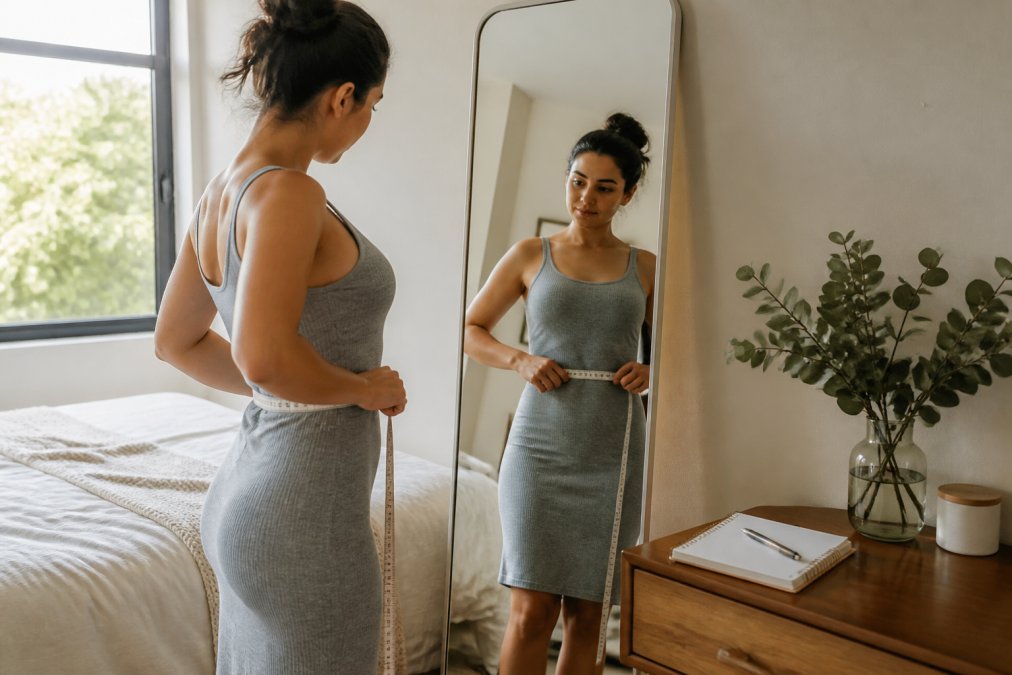
The Three Measurements That Matter Most
You need three numbers: bust, waist, and hips. Measure the bust at the fullest point, the waist at its narrowest (usually just above the navel), and the hips at the widest point, roughly 8 inches below the waist. Keep the tape level and snug, not tight.
- Bust measured at the fullest point
- Waist measured at the narrowest point
- Hips measured at the widest point
- Shoulder width noted for proportion checks
Best Dress Styles for Body Shapes
The best dress styles for body shapes work by balancing visual weight rather than hiding anything. Research from Iowa State University Digital Press on stylist methodology found that professional stylists don't rely on body shape alone. They factor in height, torso length, and facial shape, which is why two women with identical measurements can look best in completely different silhouettes.
Hourglass and Rectangle Silhouettes
Hourglass figures already have natural waist definition, so wrap dresses, sheath cuts, and fit-and-flare styles let that proportion do the work. The goal is following your curve, not fighting it.
Apple and Pear Shapes
Apple shapes carry volume through the middle, so empire waist dresses and A-line cuts that skim the midsection tend to flatter most. V-necklines draw the eye upward and lengthen the torso visually.
Inverted Triangle and Athletic Builds
Inverted triangle shapes have broader shoulders relative to hips. A-line skirts, drop-waist dresses, and styles with volume below the waist create balance.
| Body Shape | Best Silhouettes | Detail to Add | Detail to Skip |
|---|---|---|---|
| Hourglass | Wrap, sheath, fit-and-flare | Waist belts | Boxy cuts |
| Rectangle | A-line, peplum, belted | Ruffles, pleats | Straight shift |
| Apple | Empire waist, A-line | V-necklines | Waist cinching |
| Pear | Fit-and-flare, A-line | Neckline detail | Hip embellishment |
| Inverted triangle | Drop-waist, A-line | Skirt volume | Shoulder pads |
Styling Tips for Different Body Types
Styling tips for different body types come down to three moves: elongate, balance, and accentuate. Elongation comes from vertical lines, V-necklines, and monochrome dressing. Balance means adding volume where you want it and removing it where you don't. Accentuation means picking one feature to highlight per outfit, not five.
Neckline Mapping by Shape
- Hourglass: V-neck, sweetheart, and scoop necklines follow your natural bust curve without competing with your waist. A high crew neck can flatten the bust line and erase the vertical break your proportions already provide.
- Rectangle: Halter and sweetheart necklines create the illusion of curve up top. Boat necks widen the shoulder line, which can make a straight torso read even straighter.
- Apple: V-neck and deep scoop necklines draw the eye vertically and away from the midsection. Avoid high, tight necklines that create a solid block from chin to waist.
- Pear: Wide or embellished necklines, square, portrait, off-shoulder, add visual weight up top to balance fuller hips. A narrow V-neck can make the upper body look smaller by comparison.
- Inverted triangle: Scoop and sweetheart necklines soften a broad shoulder line. Halter necks concentrate width at the shoulders and amplify the imbalance.
Vertical Lines, Color, and Pattern
Vertical lines, princess seams, long cardigans, column dresses, narrow belts, pull the eye up and down rather than side to side. Monochrome dressing from shoulder to hem removes the horizontal color break at the waist and adds perceived height.
The One-Feature Rule
Accentuation works best when you pick one feature per outfit. If the neckline is the star, keep the hem simple. If the dress has a dramatic sleeve, skip the statement belt. Stacking three focal points splits the eye and flattens the whole look.
Dressing for Height and Torso Length
Height and torso length change which of these moves matter most. Petite frames benefit from higher waistlines and shorter hemlines, a midi that hits mid-calf on a taller frame can swallow a petite one. Long-torso frames often look best in drop-waist or bias-cut styles that don't fight the natural waist position. Short-torso frames gain the most from empire and natural-waist seams placed slightly higher than the anatomical waist.
The Role of Waist Definition in Dress Selection
Waist definition is the single most adjustable element in dress selection. Even if your natural waistline isn't pronounced, a seam, belt, or wrap tie creates the visual break that makes proportions read as balanced.
Fabric Weight and Drape: The Variable Most Guides Skip
Waist definition only works if the fabric cooperates. A seam at your natural waist in a stiff, heavy fabric stands away from the body and reads as a box; the same seam in fluid crepe or jersey follows your curve and reads as a waist. Fabric weight and drape determine whether the silhouette you chose actually shows up on your body.
Women's Luxe Mid Rise WannaBettaButt →
Here's how the main categories behave:
- Structured fabrics (ponte, scuba, heavy cotton twill, brocade): hold a shape on their own. Excellent for sheath and column dresses, A-line skirts, and any silhouette where you want the dress to do the shaping. Less forgiving across the midsection because they don't skim.
- Fluid fabrics (crepe, jersey, silk charmeuse, rayon challis): follow the body and drape at the waist. Best for wrap dresses, bias cuts, and empire styles. They reveal more, so understructure matters.
- Stretch fabrics (spandex blends, ribbed knits, ponte with elastane): move with you and recover their shape. A wrap dress in a stretch jersey is one of the most forgiving combinations for almost any body type because the tie adjusts the waist in real time.
- Crisp but lightweight fabrics (poplin, linen, taffeta): hold a defined waist seam without bulk, which makes them strong choices for fit-and-flare and peplum styles.
Stretch, Recovery, and the Waist Seam
A waist seam is only as good as the fabric's ability to hold it. Knits with low recovery, thin cotton jersey, stretch out at the waist within hours and lose the definition you bought the dress for. Look for a small percentage of elastane or spandex in knits, or choose a woven fabric with a defined seam if you want the waist to stay put all day.
Texture and Visual Weight
Texture adds or subtracts visual weight the same way color does. Shiny satin, sequins, and metallics catch light and advance; matte finishes, crepe, wool, brushed cotton, recede. To emphasize your waist, pair a matte bodice with a slightly shinier belt or seam detail. To soften your hips, keep the skirt matte and darker and let the bodice carry any shine.
A Note on Sustainability and Fabric Quality
The fabric conversation is also a longevity conversation.
How to Choose a Dress for Body Type Without Corrective Language
Choosing a dress for body type works best when the goal is fit, not correction. The language shift matters because "flattering" has quietly meant "slimming" for decades, narrowing your options to whatever hides the most.
Building a Capsule Wardrobe Around Your Dress Choices
A capsule wardrobe built around your best dress silhouettes cuts decision fatigue and spending at once. Start with three dress shapes that already work for your proportions, then build the rest of your closet to support them.
Conclusion: Dress for Your Shape, Not Against It
The measurements take ten minutes. The mindset shift takes longer, because most of us were taught to dress around what we don't like rather than toward what we do.
Frequently Asked Questions
How do I determine my body shape?
Measure your bust, waist, and hips at their fullest points. Compare the numbers: if bust and hips are within 5 percent of each other and your waist is narrower, you have an hourglass shape. If hips are widest, you are pear-shaped. If your bust is widest, you are an inverted triangle. If all three measurements are close, you have a rectangle shape. Precise measurements can make dress selection up to 80 percent more successful, according to Dress Me Up NY (2025).
What are the best dress styles for an hourglass figure?
Wrap dresses, sheath silhouettes, and fit-and-flare styles work well because they follow your natural waistline without adding bulk. A wrap dress cinches at the narrowest point. Avoid boxy cuts or drop-waist designs that hide your proportions. Fabric with a bit of stretch, like the premium stretch denim in Maison Amara's bootcut jeans, also holds shape without restricting movement.
What dress silhouettes work best for a pear-shaped body?
A-line dresses, fit-and-flare cuts, and empire waist styles balance wider hips by adding visual weight to your shoulders and neckline. Look for boat necks, structured shoulders, or embellished bodices to draw the eye upward. Keep the skirt simple and skimming rather than tight. Pleats and ruffles near the hemline can add volume where you may not want it, so choose clean lines below the waist.
How can I choose a dress that balances my proportions?
Start with your vertical proportions, not just your shape category. Stylists from Iowa State University (2022) found that recommendations depend on height, torso length, and facial shape, not body shape alone. If your torso is long, a drop-waist or empire silhouette shifts the visual break point. If your legs are shorter, a higher hemline elongates your frame. Use necklines, waist placement, and hemline position to create balance rather than relying on a single label.