
Best Breathable Fabrics for Summer Everyday Dresses
Table of Contents
- Natural vs. Synthetic Fabrics for Heat: Which Wins for Summer
- Top Breathable Fabrics for Summer Everyday Dresses
- Understanding Fabric Weight and Weave for Summer Comfort
- Moisture-Wicking Fabrics for Summer: Performance Meets Style
- How to Care for Linen and Cotton Dresses to Extend Their Life
- Choosing Fabrics for Different Summer Occasions
- Allergy and Skin Sensitivity: Natural Fibers for Sensitive Skin
- Frequently Asked Questions
Last Updated: September 1, 2026
Natural vs. Synthetic Fabrics for Heat: Which Wins for Summer
The choice between natural and synthetic fabrics for summer dresses isn't straightforward, natural isn't always better. This guide from Maison Amara Boutique breaks down the science of breathability, moisture management, and comfort so you can make informed decisions about what to wear when temperatures rise.
Natural fibers like cotton and linen excel at airflow and moisture absorption. According to Cotton Incorporated's 2025 Global Lifestyle Monitor™ Survey, cotton remains the top choice for warm-weather apparel due to its breathability, moisture-wicking properties, and hypoallergenic nature. Linen sits even cooler against the skin, absorbing up to 20% of its weight in moisture before feeling damp.
However, modern synthetic blends can outperform natural fibers in specific scenarios. Polyester-based moisture-wicking fabrics actively manage body temperature and dry sweat significantly faster than cotton, which tends to absorb and retain moisture. For athletic or high-intensity summer activities, engineered synthetics often win. For everyday comfort, natural and semi-natural fibers typically deliver better results.
The real insight is understanding what each fiber type does and matching it to your use case. A loose, lightweight viscose dress feels wonderful in summer humidity. A heavier synthetic blend can feel considerably less breathable. Fabric weight, weave construction, and fiber composition matter far more than marketing language.
Top Breathable Fabrics for Summer Everyday Dresses

Linen: The Gold Standard for Breathability
Linen stands out as the most breathable fabric available for everyday summer dresses. Its naturally stiff fibers keep the material away from your skin, creating continuous air circulation. Thermal imaging shows linen sits 3-4°C cooler against skin than polyester in direct comparison tests (peer-reviewed research).
Linen absorbs up to 20% of its weight in moisture before feeling damp, meaning you stay dry longer during humid days. This fiber naturally wicks perspiration away from your body rather than trapping it.
The wrinkle factor has become part of linen's appeal, that lived-in aesthetic reads as intentional. Linen dresses pair effortlessly with sandals and minimal accessories for a polished-casual look.
Pros: Maximum breathability, excellent moisture absorption, naturally thermoregulating, durable with proper care, iconic summer aesthetic
Cons: Wrinkles easily, can feel stiff initially, requires specific washing techniques to prevent shrinkage
Cotton: Soft, Versatile, and Naturally Cool
Cotton delivers the balance most people want from a summer dress. It's softer than linen, more forgiving than rayon, and genuinely breathable. The fiber absorbs moisture well, up to 25 times its weight, keeping your skin feeling dry during warm, humid days.
Lightweight cotton weaves like voile, chambray, muslin, lawn, and poplin maintain breathability while creating the drape and flow that make dresses feel elegant. Organic cotton is gaining momentum as consumers prioritize sustainable textiles without sacrificing comfort.
Cotton works across multiple occasions because it accepts dye beautifully and takes structure well. You can find cotton dresses for casual weekends, professional offices, and semi-formal events.
Pros: Soft against skin, excellent moisture absorption, versatile for multiple occasions, durable and washable, affordable, widely available
Cons: Holds moisture longer than linen, can shrink if not washed properly, wrinkles more than some synthetics
Viscose and Rayon: Smooth and Quick-Drying
Viscose (also called rayon) offers a smooth, cool-to-the-touch feel that many prefer over natural plant fibers. The fabric drapes beautifully and dries faster than cotton, making it practical for humid climates.
Quality varies enormously, a loose, lightweight viscose dress feels wonderful, while a heavier viscose blend can feel considerably less breathable. Always check weight and weave construction, not just fiber content.
Rayon-cotton blends have become popular because they combine viscose's drape and quick-dry properties with cotton's durability and moisture absorption. These blends often outperform pure viscose in everyday wear.
Pros: Smooth, luxurious feel, excellent drape, quick-drying, breathable, takes color beautifully
Cons: Can shrink 5-10% in washing, less durable than cotton or linen, wrinkles easily, quality varies by manufacturer
Hemp and Bamboo Blends: Eco-Friendly Comfort
Hemp is experiencing resurgence as newer technologies have made it softer for everyday fashion. The fiber is naturally breathable, UV resistant, and requires substantially less water to produce than conventional cotton. Hemp improves with washing as fibers soften over time.
Bamboo viscose is lightweight, breathable, and remarkably smooth against sensitive skin. The moisture-management abilities rival cotton while the hand-feel resembles silk. Bamboo blends work particularly well for people with skin sensitivities.
Both fibers align with growing consumer demand for sustainable fashion. By 2026, approximately 30% of U.S. apparel consumers actively prioritize sustainable labels, and hemp-cotton or bamboo-blend dresses address this preference without compromising comfort or style.
Pros: Eco-friendly production, durable (especially hemp), soft feel (especially bamboo), excellent breathability, moisture-wicking, UV protection (hemp)
Cons: Less widely available than cotton or linen, higher price point, hemp can feel stiff initially, bamboo viscose requires careful washing
Understanding Fabric Weight and Weave for Summer Comfort
Most people focus on fiber type and miss the actual determining factor: fabric weight measured in GSM (grams per square meter). A lightweight polyester can feel cooler than heavy cotton because weight affects how much fabric sits against your skin and how quickly moisture evaporates.
Summer dresses should typically fall between 90-170 GSM (researchgate.net). Below 100 GSM, the fabric becomes sheer and may require lining. Above 200 GSM, you're wearing material intended for fall or spring. Most quality retailers now list GSM because consumers are becoming more fabric-aware.
Weave construction matters equally. A plain weave maximizes airflow because it creates the least dense fabric structure. Twill weaves feel heavier and warmer. For summer everyday dresses, plain weave and open-weave constructions consistently outperform decorative weaves.
A 150 GSM linen plain weave will feel cooler than a 140 GSM cotton twill, even though the cotton is technically lighter. Understanding fiber, weight, and weave gives you the framework to evaluate any dress.
Moisture-Wicking Fabrics for Summer: Performance Meets Style
Moisture-wicking refers to a fabric's ability to pull sweat away from your skin and move it to the surface where it can evaporate. This is distinct from moisture absorption, a fabric can absorb liquid without wicking it effectively.
Natural fibers excel at absorption. Cotton and linen pull moisture into the fiber structure itself. Synthetic blends excel at wicking. Polyester and nylon move moisture along the fiber surface rather than absorbing it, which is why athletic wear uses these materials. The ideal summer dress combines both: a natural fiber base with synthetic components engineered for performance.
The Paige Eyelet Embroidered Puff Sleeve Blouse at Maison Amara Boutique uses 100% cotton, prioritizing moisture absorption and breathability for everyday comfort. The Alaya Crochet Tank Top (75% viscose, 25% polyester) demonstrates how blends work, viscose provides smooth, cool-to-touch feel and quick-drying properties, while polyester adds durability and helps the garment retain its shape through multiple washes.

How to Care for Linen and Cotton Dresses to Extend Their Life
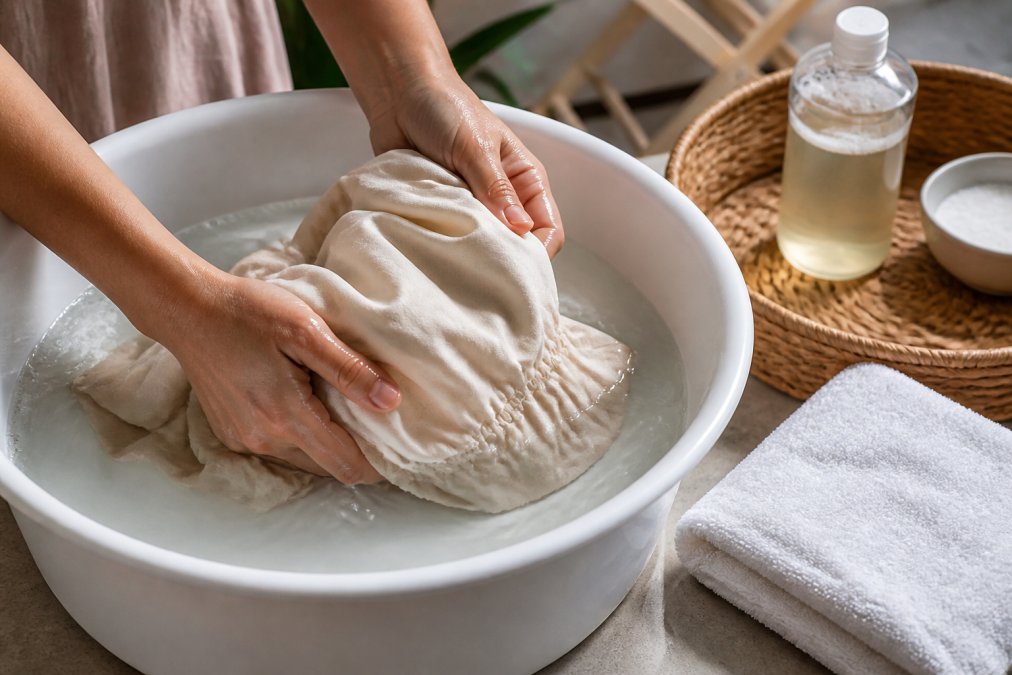
Proper care determines whether your breathable summer dresses last one season or multiple years.
For cotton dresses, wash in cool water on a gentle cycle using mild detergent. Hot water breaks down cotton fibers and causes unnecessary shrinkage. Avoid chlorine bleach; oxygen-based whiteners work just as effectively without damage. Dry on low heat or hang-dry to prevent shrinkage and preserve softness.
Linen requires even more specific care. Machine wash in cool water on a delicate cycle, or hand wash for heirloom pieces. Linen shrinks more dramatically than cotton if exposed to hot water. Dry flat or hang to prevent stretching. Steam rather than iron to relax wrinkles without flattening the fabric's natural texture.
Both fibers benefit from air drying. The gentle process preserves fiber elasticity and prevents brittleness that heat can cause. Store in a cool, dry place away from direct sunlight. Cedar blocks or lavender sachets provide natural moth protection.
Choosing Fabrics for Different Summer Occasions
The best breathable fabric depends on what you're actually doing in that dress.
For professional office environments, cotton and cotton-blend dresses work best. They maintain structure throughout the day and project polish. The Monroe Sleeve Shift T Shirt Dress from Maison Amara Boutique (58% polyester, 30% cotton, 10% viscose, 2% elastane) exemplifies this approach, the blend stays crisp during a workday while maintaining breathability.

For casual weekend wear, linen shines. The wrinkles and relaxed aesthetic align perfectly with weekend energy.
For travel and extended heat exposure, viscose and rayon blends outperform pure natural fibers. They pack smaller, dry faster if hand-washed, and resist wrinkling better than linen. The Liberated Loose Color Block Kaftan from Maison Amara Boutique uses polyester broadcloth with a silk-like feel, designed for warm-weather travel where breathability and packability both matter.
For semi-formal evening events, silk blends or high-quality viscose create the drape and elegance that cotton or linen sometimes lack.
Allergy and Skin Sensitivity: Natural Fibers for Sensitive Skin
People with sensitive skin or documented fabric allergies often find that natural fibers cause fewer reactions than synthetics. Cotton and linen are hypoallergenic by nature, the fiber structure doesn't trigger immune responses that synthetic dyes or finishes sometimes do.
Cotton's hypoallergenic properties are well-documented. The fiber doesn't irritate skin, doesn't trap bacteria, and absorbs moisture that can otherwise create environments where skin irritation develops. Organic cotton eliminates pesticide residues that conventional cotton processing leaves behind. For anyone with eczema, psoriasis, or contact dermatitis, organic cotton dresses often feel noticeably more comfortable.
Linen offers similar benefits with naturally antimicrobial properties. The fiber inhibits bacterial growth, meaning linen dresses stay fresher longer and require less frequent washing.
Viscose and rayon can work for sensitive skin if processed without harsh chemical finishes. Bamboo viscose is particularly gentle because bamboo's natural properties require less aggressive processing.
Avoid synthetic blends if you have documented sensitivities. Polyester, nylon, and acrylic fibers are more likely to trap heat and moisture against your skin. The Paige Eyelet Embroidered Puff Sleeve Blouse at Maison Amara Boutique uses 100% cotton specifically to address this concern.
When building a summer wardrobe that actually works for your lifestyle, fabric choice determines whether you're comfortable or constantly adjusting. The best breathable fabrics for summer everyday dresses depend on your specific activities, climate, and skin needs. Start with fabrics that align with how you actually spend your summers, then invest in quality construction and proper care to make those pieces last. At Maison Amara Boutique, we've curated a collection of summer dresses featuring the breathable fabrics covered in this guide, with free shipping on orders over $50. Shop now to refresh your warm-weather wardrobe with pieces designed for comfort and contemporary style.
=== FAQ ANSWERS (audit these too, same rules) ===
[1] Q: What is the most breathable fabric for summer wear? A: Linen is widely considered the most breathable fabric for summer. Its naturally stiff fibers keep the fabric away from your skin, allowing superior air circulation. In thermal imaging studies, linen sits 3-4°C cooler against the skin than polyester. It also absorbs up to 20% of its weight in moisture before feeling damp. Cotton ranks as a close second, particularly in lightweight weaves like voile and lawn, absorbing up to 25 times its weight in moisture while offering softness and versatility.
[2] Q: Is linen or cotton better for summer dresses? A: Both excel in summer, but for different reasons. Linen offers superior breathability and stays cooler longer, though it wrinkles easily, a trait many consider part of its appeal. Cotton provides softness, versatility, and easier care, making it ideal for everyday wear. Organic cotton is trending for its sustainability credentials. For maximum comfort, many shoppers choose cotton-linen blends that balance linen's cooling properties with cotton's comfort and wearability. Your choice depends on whether you prioritize cooling power or ease of care.
[3] Q: Does rayon keep you cool in the summer? A: Yes, rayon (viscose) is an excellent choice for summer. Derived from cellulose, it offers a smooth, cool-to-the-touch feel and beautiful drape. Rayon absorbs moisture well and provides good breathability, though it can shrink 5-10% in the wash. Rayon-cotton blends are particularly popular for combining breathability with wrinkle resistance. Tencel (lyocell), a sustainable variant made from eucalyptus, is highlighted for its cool surface, excellent drape, and moisture-wicking properties, making it ideal for flowing dresses.
[4] Q: What fabric weight should I look for in summer dresses? A: Look for lightweight fabrics measured in GSM (grams per square meter). Summer dresses typically perform best in the 90-170 GSM range. Lighter fabrics (90-150 GSM) allow maximum airflow and breathability, perfect for hot, humid days. Mid-weight options (150-170 GSM) offer better structure and drape while remaining comfortable. Avoid anything above 200 GSM for summer, as heavier fabrics trap heat and reduce evaporative cooling. Check product labels for fabric composition and weight, this detail matters more than fiber type alone when choosing truly breathable everyday dresses.
Frequently Asked Questions
Q: What is the most breathable fabric for summer wear?
A: Linen is widely considered the most breathable fabric for summer. Its naturally stiff fibers keep the fabric away from your skin, allowing superior air circulation. In thermal imaging studies, linen sits 3-4°C cooler against the skin than polyester. It also absorbs up to 20% of its weight in moisture before feeling damp. Cotton ranks as a close second, particularly in lightweight weaves like voile and lawn, absorbing up to 25 times its weight in moisture while offering softness and versatility.
Q: Is linen or cotton better for summer dresses?
A: Both excel in summer, but for different reasons. Linen offers superior breathability and stays cooler longer, though it wrinkles easily, a trait many consider part of its appeal. Cotton provides softness, versatility, and easier care, making it ideal for everyday wear. Organic cotton is trending for its sustainability credentials. For maximum comfort, many shoppers choose cotton-linen blends that balance linen's cooling properties with cotton's comfort and wearability. Your choice depends on whether you prioritize cooling power or ease of care.
Q: Does rayon keep you cool in the summer?
A: Yes, rayon (viscose) is an excellent choice for summer. Derived from cellulose, it offers a smooth, cool-to-the-touch feel and beautiful drape. Rayon absorbs moisture well and provides good breathability, though it can shrink 5-10% in the wash. Rayon-cotton blends are particularly popular for combining breathability with wrinkle resistance. Tencel (lyocell), a sustainable variant made from eucalyptus, is highlighted for its cool surface, excellent drape, and moisture-wicking properties, making it ideal for flowing dresses.
Q: What fabric weight should I look for in summer dresses?
A: Look for lightweight fabrics measured in GSM (grams per square meter). Summer dresses typically perform best in the 90-170 GSM range. Lighter fabrics (90-150 GSM) allow maximum airflow and breathability, perfect for hot, humid days. Mid-weight options (150-170 GSM) offer better structure and drape while remaining comfortable. Avoid anything above 200 GSM for summer, as heavier fabrics trap heat and reduce evaporative cooling. Check product labels for fabric composition and weight, this detail matters more than fiber type alone when choosing truly breathable everyday dresses.
This article was written using GrandRanker