
What Are the Benefits of Shopping at Small Boutiques?
Table of Contents
- Why Shopping at Small Boutiques Matters in 2026
- The Economic Impact of Shopping Local
- A Personalized Shopping Experience You Won't Find at Big-Box Stores
- Unique Clothing Finds and Curated Collections
- How Boutiques Support Sustainable Fashion Choices
- The Hidden Costs of Fast Fashion
- How to Identify a True Boutique
- Frequently Asked Questions
Last Updated: September 26, 2026
Why Shopping at Small Boutiques Matters in 2026
The share of American consumers who do most of their shopping at small businesses has tripled since 2021, reaching 27% as of June 2026, according to Forbes reporting on small-business shopping trends. That shift is not nostalgia. It reflects a real change in what shoppers want: fewer, better pieces, bought from people who know their names.
Shopping at small boutiques means buying from independent, owner-operated retailers that carry a curated, limited selection rather than mass-produced inventory.
Below, we break down the economic, personal, and environmental benefits, plus the two things most guides get wrong about boutique shopping.
The Economic Impact of Shopping Local
Money spent with independent retailers stays closer to home. Small businesses account for 99.9% of all businesses and contribute 43.5% of GDP, per U.S. Small Business Administration 2026 data, and they pay 38.7% of private-sector payroll.
The retention math is starker. Up to $73 of every $100 spent at a small business remains in the community, compared with far less when that same $100 goes to a national chain, according to Capital One Shopping's research on local spending. Research from the University of Minnesota Duluth's Labovitz School of Business and Economics found that shopping at local independent retailers generates more local revenue and more local jobs than equivalent spending at big-box stores.
But the economic story goes beyond retention rates. Consider the multiplier effect: when a boutique owner buys inventory from a regional maker, that maker hires a local photographer, that photographer eats at a neighborhood cafe, and the cafe owner banks at a community credit union. Each transaction recirculates the same dollar through multiple local hands. A national chain, by contrast, centralizes purchasing, marketing, and banking at headquarters, so the dollar leaves your zip code after the first transaction.
That is the economic impact in one sentence: your purchase funds a neighbor's payroll, not a distant shareholder's quarter.
A Personalized Shopping Experience You Won't Find at Big-Box Stores
Personalized service is the benefit shoppers notice first. A personalized shopping experience means staff can offer tailored recommendations. That is a fundamentally different customer experience than navigating a 40,000-square-foot floor alone.
Curated selection means fewer options, each chosen deliberately.

A 2026 study in the Journal of Fashion Marketing and Management found that small fashion boutiques create a distinct sensory retail environment that measurably enhances the shopping experience through visual and physical engagement. Online boutiques replicate that feeling through styling notes, fit guidance, and real customer photos.
The flip side is genuine: boutiques cannot match the instant availability of a warehouse retailer. If you need a specific item today, a big-box store wins. If you want the right item, a boutique usually does.
Unique Clothing Finds and Curated Collections
Unique clothing finds are the reason many shoppers never go back. A boutique buys in small quantities, so you are unlikely to see your dress on three other people at the same event.

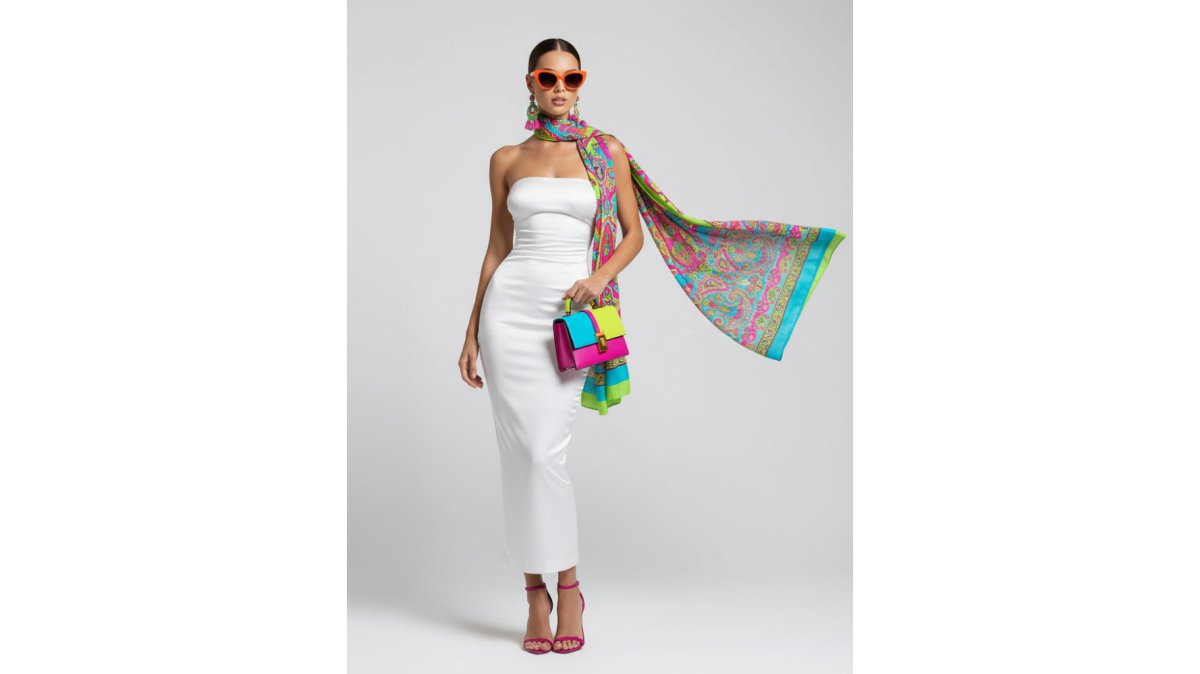
That scarcity is not a marketing trick. It is a buying decision. Independent retailers cannot compete on volume, so they compete on taste: exclusive collections, small-batch runs, and pieces with visible craftsmanship. Consumers are shifting away from low-cost, high-volume retailers toward boutiques that offer higher craftsmanship, per Paguro Upcycle's 2026 retail trend analysis.
Cost-per-wear changes the math here. For example, a $128 dress worn 20 times costs $6.40 per wear. A $30 dress worn twice costs $15 per wear. The piece with higher initial quality can often be the more affordable option over time.
How Boutiques Support Sustainable Fashion Choices
Sustainable fashion choices start with buying less and keeping it longer. Boutiques support that by stocking smaller runs, favoring traceability, and avoiding the overproduction cycle that defines mass production.
The 2026 fashion retail outlook from Strategy& and PwC identifies traceability, transparency, and "smart value" as defining trends for retailers this year. Those qualities are structural advantages for small boutiques, which typically know their suppliers and can answer questions about materials directly.
Ethical consumption also shows up in how boutiques handle inventory. Smaller orders mean less dead stock, fewer markdowns, and less waste sent to liquidation. Supply chain transparency is easier when your supply chain is short.
But the sustainability story is evolving. Many modern boutiques now use digital tools to deepen their environmental impact. For example, some use pre-order models to gauge demand before placing orders, eliminating guesswork and overproduction. Others partner with local repair services or host clothing swap events, extending garment life and building community around slow fashion. Online boutiques often share supplier stories and fabric origins on social media, turning transparency into a competitive advantage.
The Hidden Costs of Fast Fashion
The hidden cost of fast fashion rarely appears on the price tag. It shows up in cost-per-wear, in landfill volume, and in the labor conditions behind a $12 dress.
Here is the comparison that matters most to your wallet:
| Factor | Fast Fashion | Boutique Purchase |
|---|---|---|
| Average cost per wear | $8-15 (worn 2-3 times) | $4-8 (worn 15-25 times) |
| Typical lifespan | One season | Multiple seasons |
| Fit consistency | Variable across batches | Consistent sizing per label |
| Resale value | Near zero | Often recoverable |
| Local economic retention | Low | Up to $73 per $100 |
The pattern is consistent: the cheaper garment costs more over a year. That is the argument for slow fashion in a single table.
How to Identify a True Boutique
A true boutique is an independent, owner-operated retailer with a curated, limited inventory and direct knowledge of its suppliers. It is not a chain using the word "boutique" as a design theme.
Use this checklist before you buy:
- [ ]
- Sizing charts list actual measurements in inches or centimeters, not just S/M/L
- Product pages show fabric content and care instructions
- Customer reviews include photos from verified buyers
- [ ]
- Inventory is limited per style, not "unlimited stock" across 400 SKUs
- Styling notes reference specific pairings rather than generic filler
Frequently Asked Questions
Why is it important to shop at small businesses?
Small businesses make up 99.9% of all businesses and contribute 43.5% of GDP, according to the U.S. Small Business Administration. They also pay 38.7% of private-sector payroll. When you shop at small boutiques, up to $73 of every $100 you spend stays in the local community, compared to far less when you shop at large chains. That money funds local jobs, services, and neighborhood development.
What makes boutique clothing unique compared to mass-market fashion?
Boutiques offer curated selections that mass-market retailers cannot match. Instead of thousands of identical units, boutiques stock limited runs of unique clothing finds chosen for craftsmanship and style. Research from the University of Minnesota Duluth shows local independent retailers generate more revenue and local jobs than big-box stores. Boutiques also prioritize quality over volume, so you get pieces that can last longer and reflect your personal style rather than a trend cycle.
How does shopping at small boutiques support the local economy?
Small businesses create jobs and expand the local tax base. That spending circulates through local suppliers, services, and wages.
What are the benefits of a personalized shopping experience in boutiques?
A personalized shopping experience means staff know your style, fit, and preferences. Boutiques often offer styling advice, size guidance, and early access to new arrivals. This hands-on approach reduces the guesswork of online shopping and builds customer loyalty. Unlike big-box stores where you are on your own, boutiques often focus on building customer relationships.
The challenge is finding a boutique that actually delivers on fit, quality, and honest sizing instead of just using the word on its homepage. Maison Amara Boutique was built for exactly that shopper: modern, trendy women's fashion with stylish dresses and curated accessories, detailed product pages, and free shipping on orders of $50 and more. Browse the new arrivals and find the pieces that earn their place in your closet. Shop now.